History & heritage
Holetown, sugar and emancipation: how Barbados became a republic
Holetown in 1627, sugar, emancipation, independence and the republic.

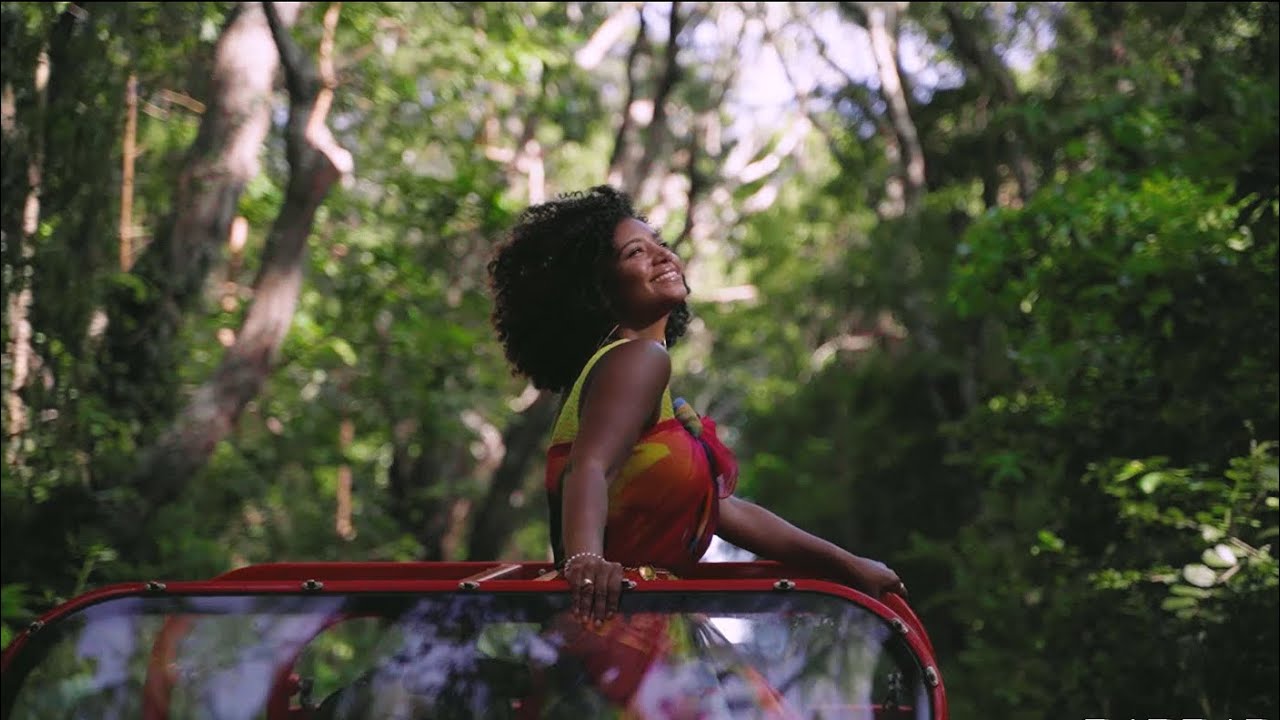
Video Credit
Video © Visit Barbados · plays from YouTube, which may set its own cookies once it startsBarbados is a coral island, flat and fertile, and that shaped its history. English settlers arrived in 1627, and within decades it was the richest colony in the Americas, a sugar island built on the labour of enslaved Africans. From that history came a resilient Afro-Barbadian culture, a parliament among the oldest in the Commonwealth, and a nation independent since 1966 and a republic since 2021.
At a glance
Population: about 270,000 (Barbados Statistical Service, 2021 Population and Housing Census).
Peoples: most Barbadians are of African descent, with European, South Asian and mixed communities.
Shaped by: Amerindian peoples, English settlement (1627), the sugar economy, emancipation (1834–1838), independence (30 November 1966) and the republic (30 November 2021).
UNESCO World Heritage: Historic Bridgetown and its Garrison (2011).
The first Barbadians
Amerindian peoples from South America settled Barbados from around the start of the first millennium AD, leaving pottery and shell tools. By the time the English arrived the island was uninhabited; the Portuguese, passing by, are said to have named it Os Barbados, “the bearded ones”, after its fig trees.
1627
In 1627 English settlers landed at Holetown on the west coast. Barbados stayed English and then British without interruption until independence, and its House of Assembly, first held in 1639, is among the oldest parliaments in the Commonwealth.
The sugar revolution
In the 1640s planters turned to sugar, and Barbados became the model for the plantation economies of the Caribbean. Tens of thousands of enslaved Africans were brought to work the cane; their suffering created the island’s wealth. Great houses such as St Nicholas Abbey and the Morgan Lewis windmill survive from the sugar age, and Mount Gay rum traces its distillery to 1703.
Emancipation
In 1816 enslaved people rose in Bussa’s Rebellion. Slavery was abolished in 1834, with full freedom in 1838. The Emancipation Statue in Bridgetown honours that history, and Crop Over, the summer festival, grew from the celebrations at the end of the sugar harvest.
A coral island that became the richest colony in the Americas, and a nation that built its own freedom.
Independence and the republic
Barbados became independent on 30 November 1966, and a parliamentary republic on 30 November 2021. Bridgetown and its Garrison, with the Savannah, the old military buildings and the George Washington House, have been UNESCO World Heritage since 2011. Cricket is a national passion.
Our advice: walk the UNESCO-listed Bridgetown and the Garrison Savannah, visit St Nicholas Abbey and a rum distillery, and time a trip for Crop Over in July and August.
Sources
Population: Barbados Statistical Service, 2021 Population and Housing Census. History: Barbados Museum and Historical Society; UNESCO World Heritage Centre (Historic Bridgetown and its Garrison); Barbados National Trust; Visit Barbados.
Why it's on our list
- About 270,000 people (2021 census)
- The first Barbadians
- 1627
- The sugar revolution
- Emancipation
- Independence and the republic
Location
The map comes from Google Maps, which sets its own cookies once it loads.
More in depth
 The back storyWild Barbados: Sea Turtles, Green Monkeys and the GulliesNesting turtles, green monkeys, marine parks and green gullies.
 The back storyRum in Barbados: Mount Gay, St Nicholas Abbey and FoursquareHow to taste Barbados rum where it is made.The back storyCrop Over: the island’s summer festivalCrop Over, the summer festival ending with Grand Kadooment.